
The Mechanical Calculator works out the engine’s hard numbers — the geometry that fixes its displacement, the compression ratio, and how violently the piston moves. Open it from Calculators › Mechanical Calculator. Every length can be typed in millimetres or inches (and volumes in cc), and the three tabs build on one another.

Enter bore, stroke, rod length and the cylinder count, and it returns the engine’s basic geometry:
The first section builds the static compression ratio from the actual parts. Enter the bore and stroke, the combustion chamber volume, the piston dome / dish (a dome is positive and reduces the space; a dish is negative and adds to it; 0 is a flat top), the head gasket thickness and bore, and the deck clearance (positive when the piston stops below the deck at TDC, as in most engines). From these it computes:
Vd = π × (bore ÷ 2)² × stroke
Vc = chamber + gasket + deck − dome
Static CR = (Vd + Vc) ÷ Vc
where the gasket and deck contributions are themselves small cylinders (π × radius² × thickness). In plain terms, compression ratio is the whole cylinder volume divided by what is left when the piston reaches the top.
The Dynamic CR section is more realistic: it measures compression only from the point the intake valve actually closes, using the IVC after BDC angle and the rod length — DCR = Static CR × V_at_IVC ÷ V_max. Dynamic CR is always lower than static, and it is the number to weigh against fuel octane and cam timing.
Finally, the Reverse solver runs it backwards: set a target CR and choose what to solve for — chamber volume, dome/dish, or gasket thickness — and it tells you the part value that lands on your goal.
Enter stroke, rod length, RPM and (optionally) the piston mass, and it reports how hard the bottom end is working:
Tip — rod ratio and mean piston speed are quick health checks on a build, and dynamic CR is the figure to pair with your fuel and cam choice — a big cam bleeds cylinder pressure and lowers it, which is why two engines with the same static CR can behave very differently.
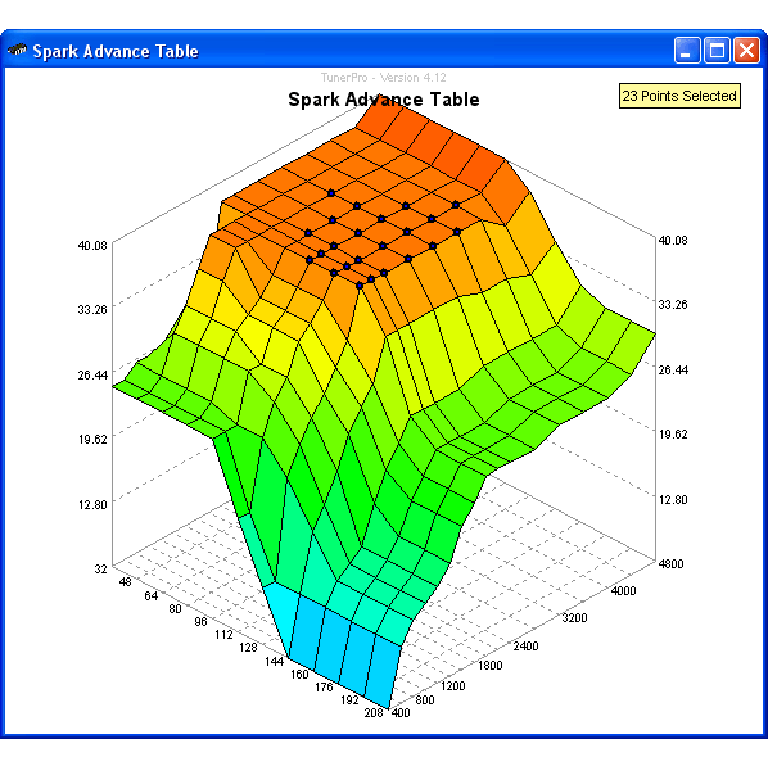
A free collection of checksum correction plugins for TunerPro that ensures safe ECU tuning. Automatically verify and update file checksums for reliable vehicle performance.
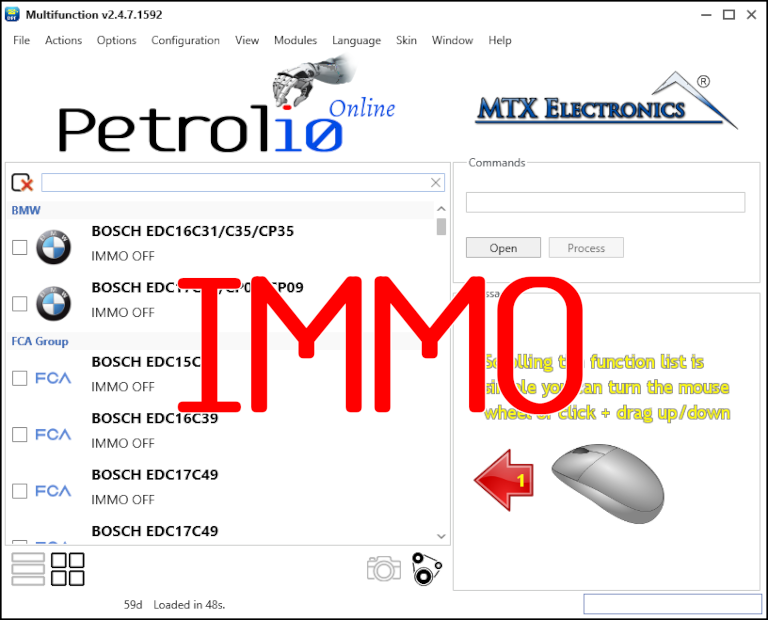
Immobilizer deactivation software for automotive professionals. Disable factory immobilizers directly in the ECU file ideal for engine swaps, track vehicles, and module replacements.
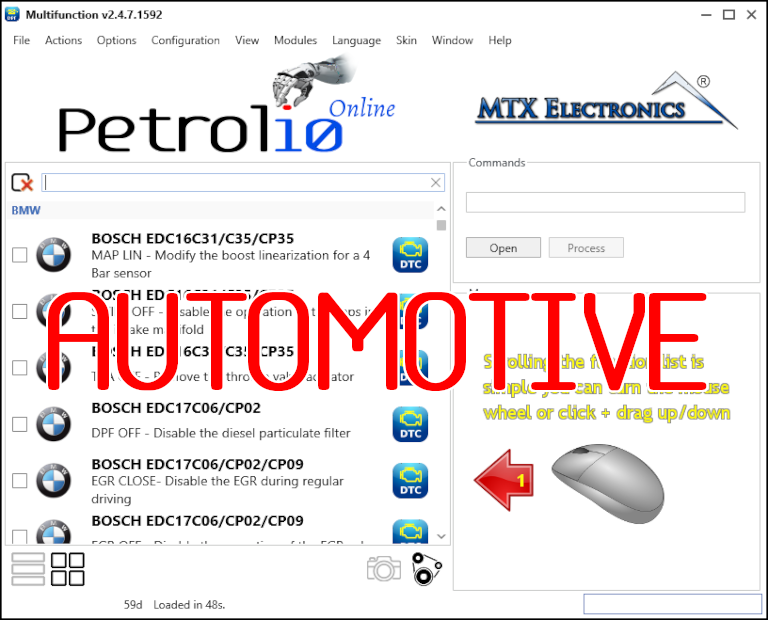
All-in-one application for tuning experts preparing vehicles for track use. Designed for professional workshops, it simplifies the deactivation of non essential components to unlock true performance.