
A collection saves as a single sealed .mtxCol file. Sealing does two jobs: it can protect the file with passwords, and it makes the file resilient so damage can be repaired. This page covers both, and explains how the recovery settings trade size for resilience.
A collection can carry two independent passwords: an external password that locks the file as a whole, and an internal password that protects the contents inside. Encryption is AES-256-GCM, with the key derived from your passphrase through a two-stage key-derivation scheme; the file header is authenticated too, so it cannot be altered or transplanted without the password check failing.
Warning — there is no backdoor. If you lose the passphrase, the data cannot be recovered. Keep your passwords (and your password ring) safely backed up.
The password ring is your personal keychain of passphrases, each with a name and notes. When you open a file whose passphrase is in your ring, Tuning Editor recognises it by fingerprint and opens it automatically. You can set a default passphrase for new collections, and import or export the ring to move it between machines.

The .mtxCol is self-healing: alongside your data it stores Reed-Solomon recovery information, so localized corruption or a truncated file can be repaired automatically when you open it. In plain terms:
Truncation is handled the same way: the missing tail is treated as damaged blocks and rebuilt, within the parity budget.
The recovery strength, set on the General tab of Preferences, is a percentage (about 10% by default) that decides how much parity each stripe gets — and that is the single knob that trades size for resilience:
So a higher percentage repairs more damage but makes a bigger file; the default is a sensible balance for everyday use.
For the strongest protection, also write a separate .rec recovery file (the sidecar option, also on the Preferences General tab). The .rec holds an independent parity set at the same percentage, and when it sits next to the collection its budget adds to the parity already inside the file — so a stripe can survive losing up to twice as much. It is the best defence against larger gouges and heavier truncation, at the cost of an extra file to keep with the collection (roughly the size of the parity, i.e. about the same percentage of the collection).
In short, three useful setups:
Tip — if you enable the .rec sidecar, keep it in the same folder as the .mtxCol. The collection still opens without it, but the two together give the best chance of a full recovery.
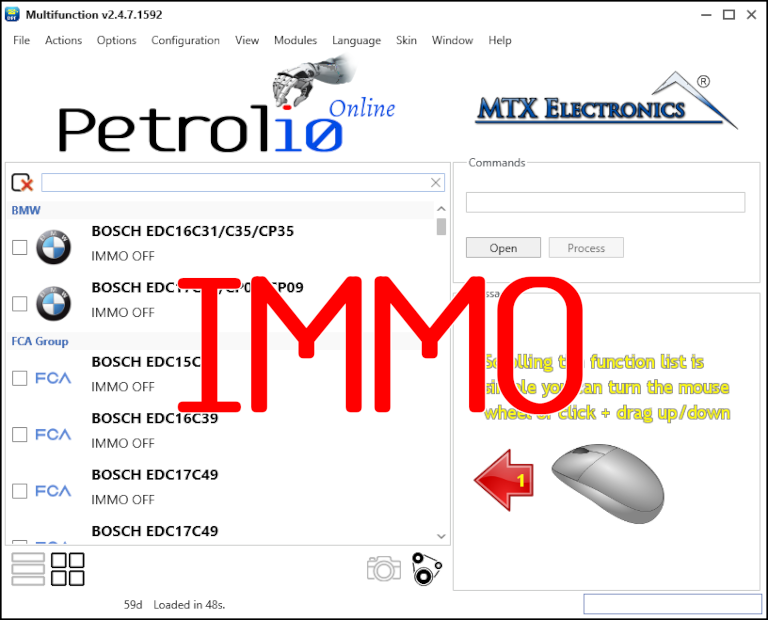
Immobilizer deactivation software for automotive professionals. Disable factory immobilizers directly in the ECU file ideal for engine swaps, track vehicles, and module replacements.
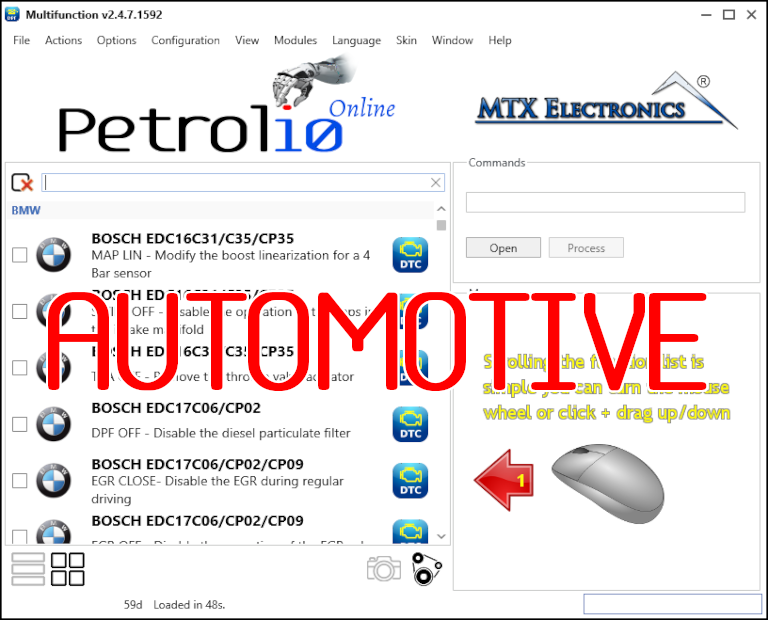
All-in-one application for tuning experts preparing vehicles for track use. Designed for professional workshops, it simplifies the deactivation of non essential components to unlock true performance.
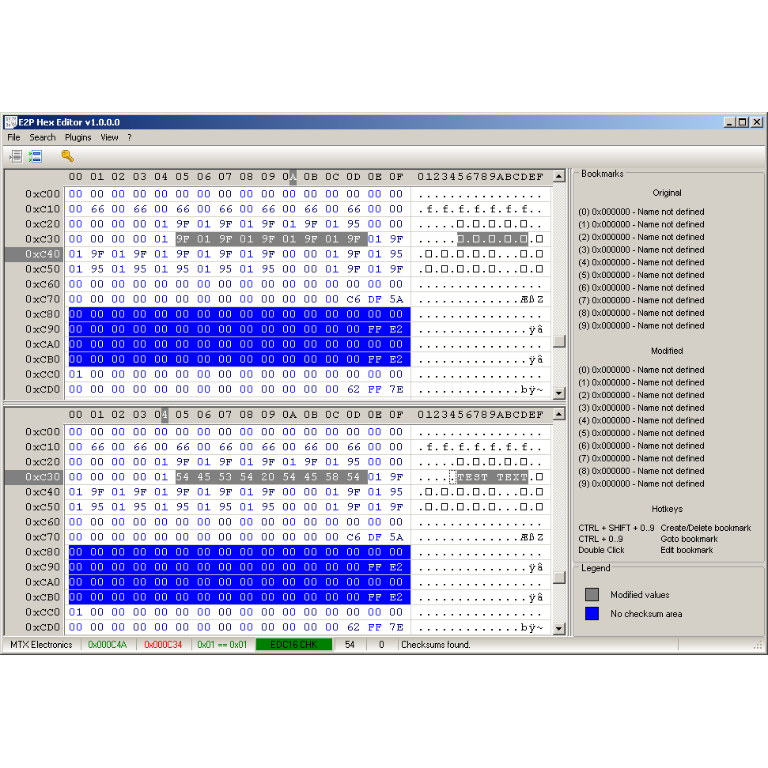
A hex editor built specifically for editing EEPROM data in automotive ECUs. With real-time checksum correction, side-by-side file comparison, and plugin support for automated tasks it's the ultimate tool for professionals.